So, you’ve got the bike, the helmet, and maybe even a snazzy pair of cycling shoes. You’re ready to hit the road, feeling the wind in your hair and the freedom of the open path. But wait! There’s more to cycling than just a two-wheeled steed and a helmet.
The dedicated cyclist knows that venturing out on the road isn’t just about the journey; it’s about preparation, about anticipating the unexpected, and about maximizing the experience. It’s about being equipped for anything.
So, what does a dedicated cyclist really need? Let’s delve deeper than the basics and explore the essential gear that transforms a casual ride into an adventure, a commute into a confident journey, and a training session into a performance booster.
The Essential Toolkit:
The bare minimum for any cyclist is a toolkit for those inevitable flat tires. You’ll need a patch kit like the Park Tool or Giant Control kit. These kits contain everything you need to repair a punctured tire, including rubber patches, glue, a small file, and sandpaper. If you have time to sit on the side of the road, having a patch kit, tire levers, and a CO2 cartridge is the bare minimum.
Why these items?
- Patch Kit: Flat tires are a common occurrence. A patch kit allows you to fix the puncture and get back on the road.
- Tire Levers: These are used to remove and re-install tires from the rims. They provide leverage and help prevent damaging your tires or rims during the process.
- CO2 Cartridge: CO2 inflators quickly pump your tire back up after a flat. They are a convenient and efficient solution, especially when you’re on the go.
Beyond the Basics:
While a patch kit, tire levers, and a CO2 cartridge are essential for any cyclist, there’s a whole world of additional gear that can make your rides safer, more comfortable, and ultimately, more enjoyable.
1. Multi-Tool: This compact tool is a must-have for any cyclist. It includes a variety of tools, such as screwdrivers, wrenches, and chain tools, which are essential for on-the-go repairs and adjustments. Look for multi-tools that offer a range of sizes and types of tools, ensuring you’re equipped to handle most common cycling issues.
2. Chain Lube: A well-lubricated chain runs smoother, lasts longer, and makes your ride more efficient. There are various types of chain lube, each with its own pros and cons. Choose a chain lube that is designed for the type of riding you do (road, mountain, or gravel).
3. Spare Tubes: Carrying a spare tube or two is essential, especially for longer rides or those off the beaten path. Always ensure you have the correct size tube for your bike, and consider carrying tubes with different valve types (Presta or Schrader) depending on your bike’s configuration.
4. Bike Pump: While a CO2 cartridge provides a quick fix, a bike pump allows you to inflate your tires to the correct pressure. This ensures optimal tire performance and handling. Choose a pump that is compact and easily portable, yet powerful enough to inflate your tires to the desired pressure.
5. Bike Lights: Essential for safety, particularly during low-light conditions. Invest in a set of front and rear lights that provide adequate visibility and are bright enough to be seen by other road users. Choose lights with multiple modes, including a flashing mode for increased visibility.
6. Hydration Pack: Staying hydrated is crucial during long rides. Carry a hydration pack or water bottles to ensure you have a steady supply of water throughout your journey. Consider the capacity of the pack or bottles based on the duration and intensity of your rides.
7. Cycling Apparel: Comfortable and functional cycling apparel is essential for a pleasant ride. Look for jerseys and shorts that are made from breathable, moisture-wicking fabrics. Consider padded shorts for longer rides, as they provide extra cushioning and comfort.
8. Cycling Gloves: Gloves provide protection for your hands and improve your grip on the handlebars. Choose gloves with padding for comfort and shock absorption, especially during long rides.
9. Cycling Socks: Cycling socks are designed for performance and comfort. They are typically made from moisture-wicking fabrics and often include features like compression or targeted padding for enhanced comfort and support.
10. Sunglasses: Sunglasses protect your eyes from the sun and wind. Choose sunglasses with polarized lenses to reduce glare and improve visibility. Look for sunglasses that are designed for sports activities, offering a snug fit and a comfortable frame.
11. Cycling Shoes: Cycling shoes provide a secure fit and efficient power transfer to the pedals. Consider clip-in shoes for optimal performance, or choose shoes with a rigid sole for increased efficiency.
12. Cycling Backpack: A cycling backpack provides a convenient way to carry your essentials, including a toolkit, extra layers of clothing, food, and hydration. Choose a backpack that is specifically designed for cycling, offering a comfortable fit, good ventilation, and features like a helmet holder and hydration bladder compartment.
13. Cycling GPS Device: A cycling GPS device provides navigation, tracks your progress, and records ride data, including distance, time, speed, and elevation. It can be incredibly useful for planning routes, exploring new areas, and tracking your fitness progress.
14. Bike Computer: A bike computer displays essential ride data, including speed, distance, and time. It is a valuable tool for tracking your progress and analyzing your performance. Choose a computer with features that are relevant to your cycling needs, such as GPS tracking, heart rate monitoring, or power meter integration.
15. Phone Holder: Keep your phone safe and accessible while riding with a phone holder. Choose a holder that is secure and compatible with your phone model, offering features like waterproof protection, easy access to the touchscreen, and a clear view of the display.
16. Cycling Helmet: A crucial safety essential for any cyclist. Choose a helmet that fits comfortably and securely, meets safety standards, and is designed for the type of riding you do.
17. First Aid Kit: A first aid kit is always a good idea, particularly for longer rides or those venturing off the beaten path. Include items like bandages, antiseptic wipes, pain relievers, and any medications you require.
18. Cycling Clothing: Choosing the right cycling clothing is critical for comfort and performance. Invest in high-quality jerseys and shorts made from breathable and moisture-wicking fabrics. Consider padded shorts for longer rides, offering additional support and comfort.
19. Cycling Gloves: Gloves provide protection for your hands and improve grip on the handlebars. Choose gloves with padding for comfort and shock absorption, especially for longer rides.
20. Cycling Socks: Cycling socks are specifically designed for performance and comfort. They are often made from moisture-wicking fabrics and may feature compression or targeted padding for enhanced comfort and support.
21. Cycling Sunglasses: Sunglasses protect your eyes from the sun and wind, reducing glare and enhancing visibility. Choose polarized lenses for optimal glare reduction.
22. Cycling Shoes: Cycling shoes provide a secure fit and efficient power transfer to the pedals. Consider clip-in shoes for optimal performance, or choose shoes with a rigid sole for increased efficiency.
23. Cycling Backpack: A cycling backpack allows you to conveniently carry your essentials, including a toolkit, extra layers of clothing, food, and hydration. Choose a backpack designed for cycling with a comfortable fit, good ventilation, and features like a helmet holder and hydration bladder compartment.
24. Cycling GPS Device: A cycling GPS device provides navigation, tracks your progress, and records ride data, including distance, time, speed, and elevation. It’s invaluable for planning routes, exploring new areas, and tracking your fitness progress.
25. Bike Computer: A bike computer displays essential ride data, including speed, distance, and time. It’s useful for tracking progress and analyzing performance. Choose a computer with features relevant to your needs, such as GPS tracking, heart rate monitoring, or power meter integration.
26. Phone Holder: Keep your phone safe and accessible while riding with a phone holder. Choose a holder that is secure and compatible with your phone model, offering features like waterproof protection, easy access to the touchscreen, and a clear view of the display.
27. Cycling Helmet: A crucial safety essential for any cyclist. Choose a helmet that fits comfortably and securely, meets safety standards, and is designed for the type of riding you do.
28. First Aid Kit: Always a good idea, particularly for longer rides or those venturing off the beaten path. Include items like bandages, antiseptic wipes, pain relievers, and any medications you require.
The Dedicated Cyclist’s Toolkit:
Investing in this gear goes beyond just having the tools to fix a flat tire. It signifies a commitment to the joy of cycling, to safety, to performance, and to embracing the open road with confidence. It’s about being prepared for anything, maximizing your experience, and making every ride an adventure.
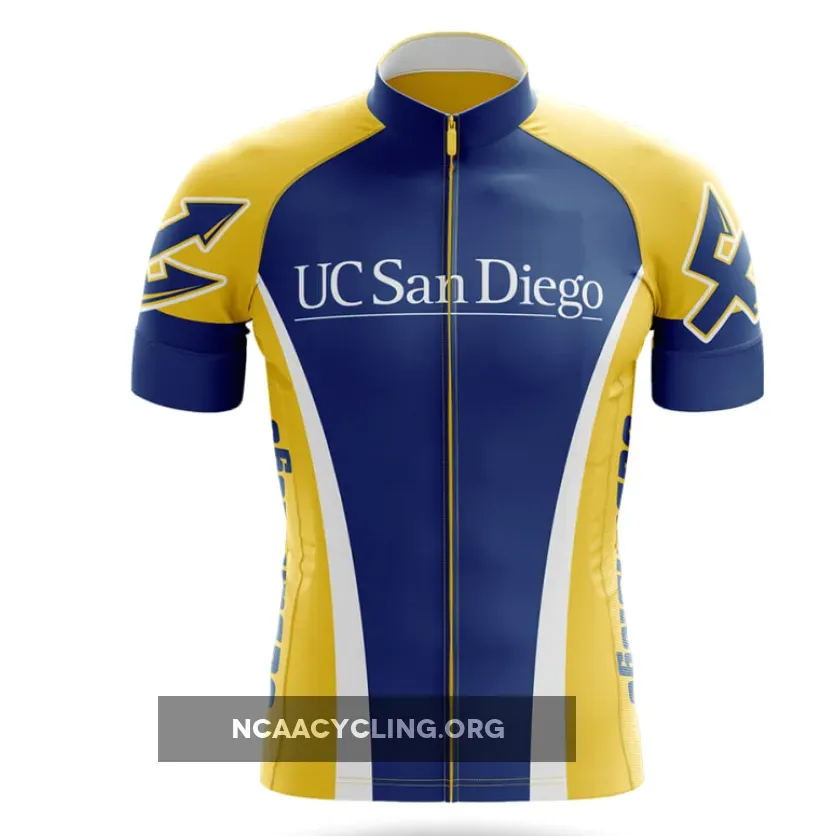 CLICK HERE TO Buy : University of California San Diego – Men’s Cycling / Jersey Only