When it comes to motorcycles, safety is of paramount importance. One crucial piece of protective gear is the helmet, which can make all the difference in the event of an accident. But how long do motorcycle helmets really last?
The answer lies in understanding the materials used in their construction and the wear and tear they’re subjected to over time. Helmets made from thermoplastic or polycarbonate resins are generally designed to have a longer lifespan, typically lasting around 5 years without significant degradation. This is because these materials can withstand the stresses of heat, cold, and impact without losing their integrity.
However, other types of helmets may not be as durable. Those constructed with ABS (Acrylonitrile Butadiene Styrene) or PVC (Polyvinyl Chloride) tend to have a shorter lifespan, typically lasting up to 9 years before showing signs of wear. It’s essential to keep in mind that these materials can become brittle and prone to cracking over time, reducing their effectiveness as protective gear.
But what about the actual use of the helmet? How does this impact its lifespan?
A motorcycle helmet’s life is influenced by various factors, including:
- Storage conditions: Storing your helmet in a hot, humid environment or exposing it to direct sunlight can cause damage to the materials and shorten its lifespan.
- Cleaning methods: Using harsh chemicals or abrasive cleaning products can damage the finish and compromise the helmet’s integrity.
- Riding style: Aggressive riding, such as stunt riding or racing, can put additional stress on the helmet, reducing its lifespan.
- Maintenance: Regular cleaning, inspections, and maintenance can help extend a helmet’s life.
So, how do you determine when it’s time to replace your motorcycle helmet?
Here are some signs that indicate it’s time for an upgrade:
- Cracks or damage: Any visible cracks, dents, or scratches on the shell or visor can compromise the helmet’s protective capabilities.
- Fading or discoloration: A worn-out finish or faded colors can affect the helmet’s visibility and reduce its effectiveness.
- Peeling or delamination: Separation of layers or peeling paint can lead to reduced impact protection and increased risk of injury.
- Age: Even if your helmet appears in good condition, age can play a significant role in reducing its overall performance.
In conclusion, motorcycle helmets are designed to provide critical protection for riders, but their lifespan is influenced by various factors, including materials, usage, and maintenance. By understanding the signs that indicate it’s time to replace your helmet, you can ensure you’re riding safely with the best possible protection.
Cycle Gear Wichita Kansas
Visit Cycle Gear Wichita Kansas today and discover a wide range of high-quality motorcycle helmets from top brands! Our knowledgeable staff will help you find the perfect fit for your riding style and needs. Don’t compromise on safety – get the best gear and ride confidently with Cycle Gear!
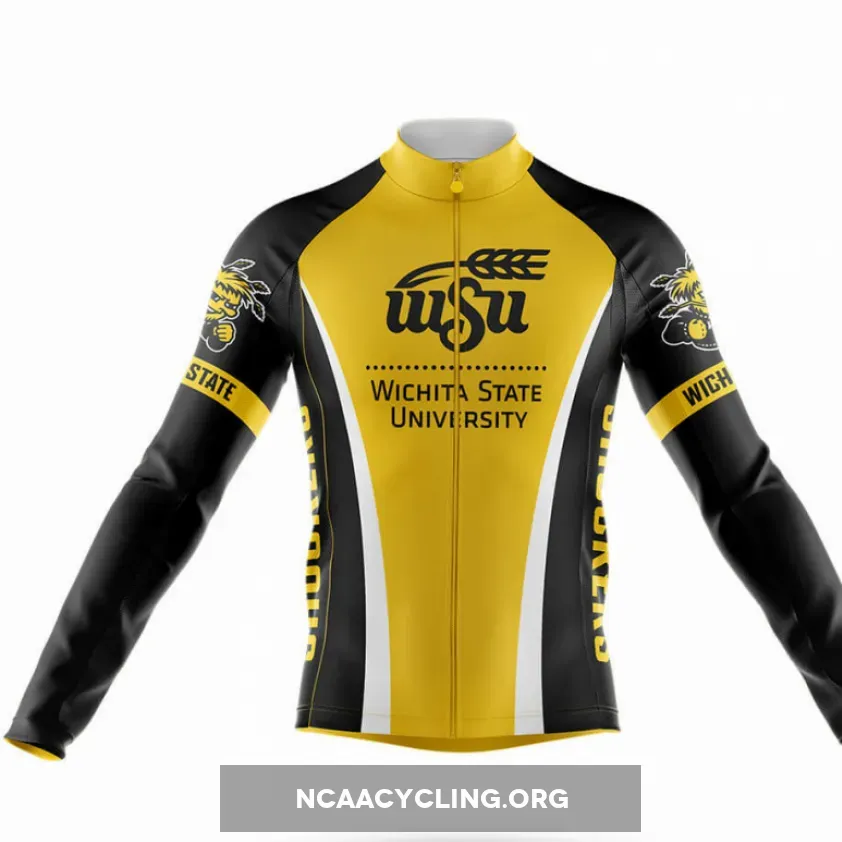 CLICK HERE TO Buy : Wichita State University Long Sleeve Cycling Jersey