Cycling, an iconic sport that requires a perfect blend of physical endurance, mental toughness, and strategic thinking. One of the most exciting aspects of professional cycling is the coveted leader’s jersey, which changes hands as the race progresses. But what do these different colored jerseys mean in cycling? Are they simply a fashion statement or a badge of honor for the riders who wear them?
In professional cycling, there are four main types of jerseys that are worn by the leaders in each respective classification: the general classification leader (pink/roosa), the young rider’s classification leader (white/bianco), the points classification leader (green/ciclamino), and the king of the mountains classification leader (blue/azzurra).
The pink/roosa jersey is worn by the leader of the general classification, which is determined by the time elapsed between each stage. The rider with the lowest cumulative time at the end of each day wears this coveted jersey, symbolizing their dominance in the overall standings.
The white/bianco jersey is awarded to the best young rider under a certain age (usually 25) who is also competing in the general classification. This jersey acknowledges the impressive performance of these young athletes as they navigate the challenging course.
In contrast, the green/ciclamino jersey is worn by the leader of the points classification, which rewards riders for their success in stage finishes and intermediate sprints. The rider with the most points at the end of each day dons this stylish jersey, recognizing their consistency and ability to score well across various stages.
Lastly, the blue/azzurra jersey is awarded to the leader of the king of the mountains classification, which recognizes riders who excel in uphill climbs and mountainous terrain. The rider with the most points accumulated from these climbs wears this prestigious jersey, symbolizing their mastery over the toughest sections of the course.
These colorful jerseys are not only a visual representation of the leaders’ achievements but also serve as a source of motivation for the other riders to push themselves to the top of the leaderboard. They provide a sense of pride and accomplishment for the riders who wear them, knowing that they have earned their place at the front of the pack.
The significance of these jerseys extends beyond the individual riders, as they also reflect the overall strategy and team dynamics involved in professional cycling. Teams often employ different tactics to gain an edge in each classification, whether it’s focusing on stage wins for points or targeting key mountain climbs for king of the mountains points.
In conclusion, the various colored jerseys in professional cycling are more than just a fashion statement; they represent the culmination of hard work, dedication, and skill. These coveted symbols of excellence serve as a reminder that even in the midst of intense competition, riders must continually strive to improve and push themselves to the top of the leaderboard.
Key Takeaways:
- The four main types of jerseys worn by leaders in professional cycling are pink/roosa (general classification), white/bianco (young rider’s classification), green/ciclamino (points classification), and blue/azzurra (king of the mountains classification).
- Each jersey represents a different classification, with its own set of rules and challenges.
- The significance of these jerseys extends beyond individual riders, reflecting team dynamics and strategies involved in professional cycling.
Further Reading:
- “The Meaning Behind the Colored Jerseys in Professional Cycling”
- “A Guide to Understanding Cycling Classification”
- “How Teams Strategically Pursue Different Jerseys in Professional Cycling”
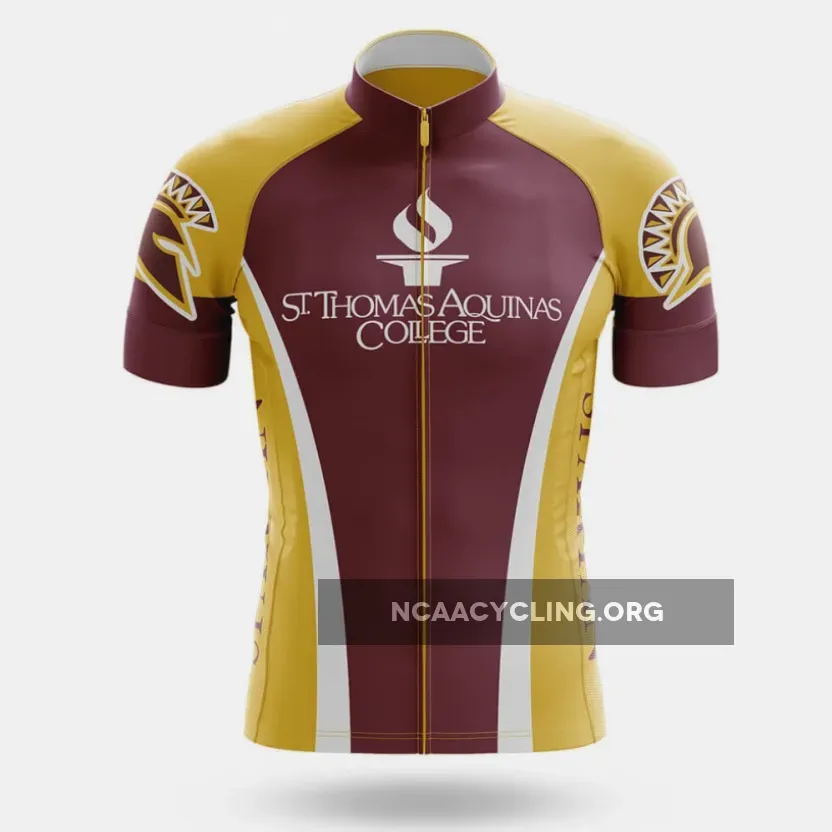 Buy From: St. Thomas Aquinas College Cycling – Jersey Only For Sale